Blogs

07-May-2026

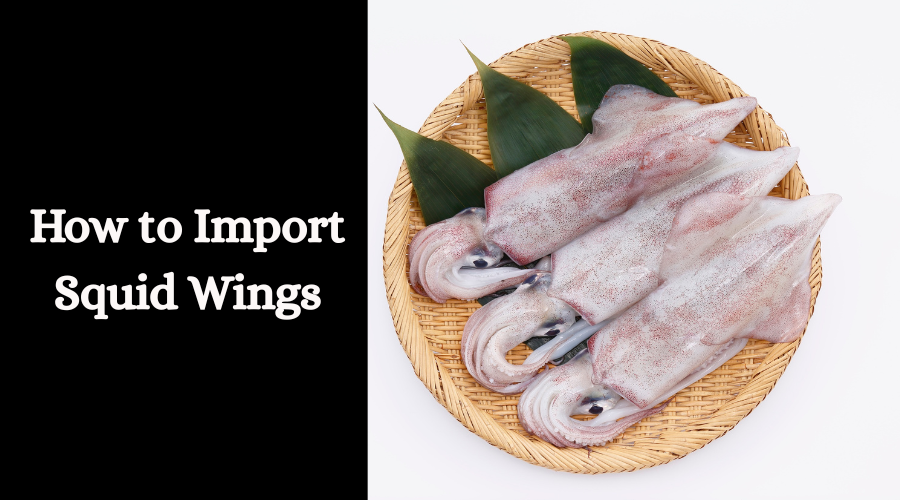
 Squid wings are emerging as a favorite seafood product. They are eaten in restaurants, processing plants, and seafood shops worldwide. The trend is that many companies currently prefer to purchase squid wings directly from their country of origin, rather than from local sources. Direct imports will result in improved prices, quality control, and supply-chain management. Nonetheless, the process of importing seafood is not fast or easy. One must remember about rules and regulations, permits and certificates, and make considerations. Following is a basic description of the key steps. Understanding the Squid Wings Market Squid wings or squid fins are the triangular flaps found on the squid's body. They're removed during processing and marketed as a seafood delicacy. Key producers are China, Peru, Indonesia, India, and Argentina. They have extensive squid fisheries and seafood processing plants. Imports of squid wings are made by seafood merchants, food processors, restaurant operators, and supermarket distributors. The product is typically available in frozen form, individually quick frozen, or in blocks. Your requirements will help you specify what you need to import. Find Out Your Country's Import Rules First, determine the policies of importation of frozen seafood into your country. They vary from country to country. Some are straightforward. Some are more complicated, involving several different agencies and paperwork. In the United States, the Food and Drug Administration and Customs and Border Protection regulate seafood imports. Seafood imports into the European Union must be from facilities listed by the European Commission. In Australia, there are rigorous biosecurity rules administered by the Department of Agriculture. Each market has a list of approved countries and facilities. Firstly, check whether your country approves squid imports from the exporting country. Not all countries are approved exporters to all countries. Even when the product is okay, the exporting country will lose the cargo if the country is not on the list. What Certifications Do You Need? You must have the required certifications to import squid wings. They ensure that the squid wings are safe, legally caught, and meet processing standards. Health Certificate The government authority of the exporting country issues a health certificate. It states that the squid wings have been examined, meet health standards, and are safe to eat. This certificate is generally required for all imports. It can't be cleared through customs without one. Catch Certificate Catch certification is required in many countries to demonstrate that the squid was caught legally and not from illegal, unreported, or unregulated fishing. The European Union has a rigorous catch certification program for seafood imports. The United States has a comparable scheme, the Seafood Import Monitoring Program (SIMP), which requires paper-trail documentation of certain seafood from harvest to market. Cold Chain Certification Squid wings are frozen; hence, the cold chain is something to consider as the wings are transported to their destination. Some markets require proof that the product was delivered at the proper transportation temperature. This guarantees both the safety and quality of food. Is Halal or Other Religious Certification Required? This will depend on who you are selling to. When you are providing halal-certified businesses, the facility in which they are produced must be halal-certified by a recognized halal authority. Working with a Reliable Exporter The exporter is also as important as the regulations. An exporter can clearly understand and process the documents. They know which documents your importing country needs and can complete them without errors, which can cause a delay. Ask prospective exporters for their facility number. Ask if their facility is on your country's list. Ask for copies of former health and catch certificates to see their records. A reputable seafood exporter will readily give this information. If you can, visit the plant or book an inspection company to verify that processing meets the claimed standards. This ensures you do not receive inferior products or shipments that have been incorrectly processed and shipped. How Does Cold Chain Logistics Work for Frozen Squid? The entire cold chain for frozen squid wings should be kept at minus 18 degrees Celsius or below all the way through to your warehouse. It will consist of refrigerated transport between the processing plant and the port, then a refrigerated sea box, and then refrigerated transport between the port and your door. To do this properly, hire a freight agent who handles the transportation of frozen seafood. Customs Documentation A specific list of documents is required to clear imported seafood through customs. This includes a commercial invoice, packing list, bill of lading or airway bill, health certificate, catch certificate, and any other required certificate for your country. Is it Profitable to Import Squid Wings for Small Business? Yes, but the landed cost needs to be carefully calculated before import pricing is compared to locally sourced squid wings to account for all costs. The most cost-effective imports are those that can fill a container load. Smaller consolidated loads are possible but attract extra costs, making them less profitable. Conclusion When importing squid wings, it's all about planning, partnering, and documentation. Know the import regulations and restrictions in your country. Only buy from approved exporters whose factories are registered for export. Employ a reliable freight forwarder to maintain the cold chain and a local customs broker for importation. If you get the logistics right and the documentation right, squid wings will be a profitable addition to your seafood business.

08-Jul-2026

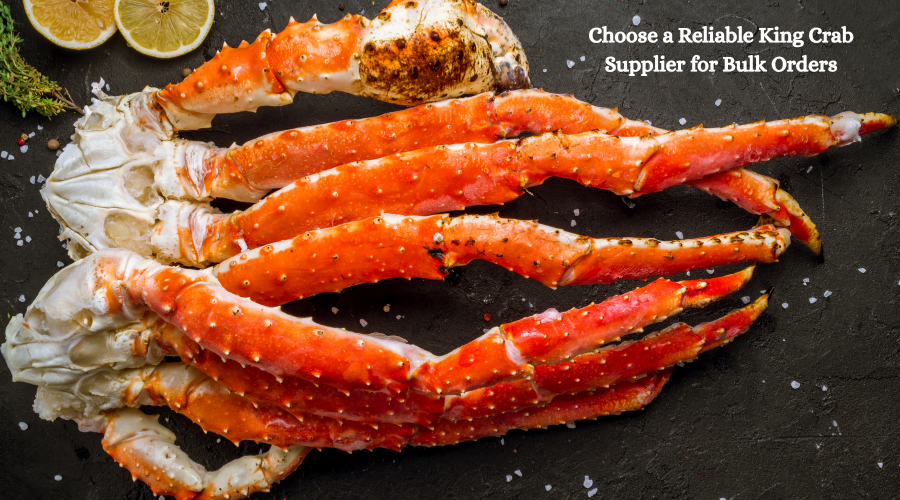
Selling king crab in bulk involves identifying the right supplier. Your reputation in the business directly depends on the quality of your seafood. Incorrect decisions may result in financial losses and dissatisfied customers. This is the guide that assists you in finding reliable suppliers that supply quality products at all times. Verify their experience in the industry Years in business can tell you a lot about a supplier. The surviving companies that have endured decades know the seafood business so well. They understand how to manage seasonal changes and supply issues. New suppliers can offer lower prices to attract customers. Nevertheless, business ventures can come with track records. They do have quality control and customer service systems. Find suppliers who have been in operation for at least five years. Check the correct Certifications and Licenses. Handling legal documentation as far as seafood is concerned. The suppliers must have certain permits to operate. These are food-handling licenses and seafood-processing certifications. No order should be placed without seeing their certificates. Ensure that the certifications are up to date and not outdated. The suppliers with a good reputation present their credentials publicly. They know buyers require this kind of assurance before making big purchases. View Their Supply Chain. It is important to know the crab's origin. Good suppliers are those whose relations are direct with fisheries. This guarantees fresher foods and improved pricing. There are middleman suppliers who purchase from different sources. This may result in variation in quality orders. Direct suppliers have more control over the process. They can track every load from the ocean to delivery. What Should You Ask About Storage Facilities? The quality of the seafood in storage depends on temperature. Suppliers should freeze king crab and keep it at proper temperatures. The lack of proper storage results in quality deterioration. Enquire with suppliers regarding their cold storage capacity. Ask for photos or plan facility visits to check conditions firsthand. Quality suppliers embrace openness in their operations. Consider Product Grading Standards. King Crab is available in various grades according to size and quality. Grade A is of the optimum quality with intact legs and good meat content. Reduced grades may contain broken pieces or reduced meat. Obvious grading criteria help avoid confusion when ordering. Before they start supplying, the suppliers have to clarify how they grade. This will help you determine what your business requires. Regular grading between orders demonstrates suppliers' reliability. Small Order Testing Always remember not to make major purchases without trying the product first. Begin with small trial orders to assess quality. This helps protect you against significant losses if the supplier fails. Observe the packaging, freshness, and overall condition upon arrival. Determine whether the product meets the promise. Record the way in which the issue is addressed by the supplier. The small orders in their tests reflect suppliers' performance in real-world situations. Test Their Delivery Capabilities. On-time delivery keeps your business moving. The suppliers require effective transportation means for frozen fish. Delays will disrupt your entire process. Inquire about their shipping partners and the average shipping time. See how they cope with delays that are unforeseen. Good suppliers have contingency plans for transportation. They are proactive in addressing any shipping problems. Compare Pricing Structures Price is not everything, but it must not be a determining factor. Very low prices are very likely to indicate quality issues. The lowest price supplier is often not the best vendor in the long run. Request quotations from various suppliers with the same product specifications. Compare the details of each price concerning shipping and handling. Know the terms of payment and any bulk order discounts. Reasonable prices reflect quality and are competitive. Read Reference and Customer Reviews. The experience of other buyers is very informative. Search on other review sites and reviews beyond supplier websites. Critical feedback is seen as both a strength and a weakness. Request suppliers to provide any references on existing customers. Interview other businesses and ask about their experience. Know product consistency, customer service, and problem-solving. There are numerous positive mentions of suppliers' reliability. Evaluate Customer Service Quality. Any supplier will later cause problems. The way they deal with matters is what distinguishes between a good supplier and a bad supplier. Problems are solved quickly through responsive customer service. Check their communication, and then place an order. Request questions through email and telephone. Record response times and helpfulness. The suppliers who don’t listen to questions before making a sale are most likely not to perform better. Effective communication will avoid confusion and will create trust. What Do They Do with Quality Complaints? Return policies and quality assurances safeguard your investment. Suppliers with high confidence in their products offer reasonable guarantees. They are also supposed to refund or replace faulty products. Clear complaint procedures demonstrate professionalism and accountability. Enquire about the level at which they accommodate returns and the duration of resolutions. Those suppliers who complicate the handling of complaints need to be addressed. Ensure sustainable Fishing Practices. Long-term availability of supplies is influenced by sustainability. Crab populations are overfished and are threatened by further decadence. Sustainable suppliers adhere to sustainable harvesting provisions. Find suppliers flaunting certified organizations of sustainability. These are certifications that denote environmental responsibility. Environmentally conscious customers will also be attracted to sustainable practices. This will be a selling point of your business. Check Insurance and Liability Covers. There is a risk associated with shipping worthwhile seafood. Despite the precautions, damaged or lost shipments occur. The correct type of insurance safeguards the two stakeholders. Suppliers are expected to have sufficient insurance coverage for their products. This should be provided throughout the delivery procedure. Inquire about the process of their claims of damages in shipments. Professionalism and business legitimacy can be evidenced by Insurance availability. Assess Technology and Tracking Systems. The suppliers today use technology to enhance service. Repeat purchases are made easy through online ordering systems. The tracking features let you see deliveries on the go. Good technology also aids in inventory and order history. Quick reorder, based on past purchases. Online systems minimize mistakes when compared to manual systems. The use of technology is a sign of a progressive supplier. Consider Their Product Range Suppliers that offer a range of crab products provide flexibility. Other uses will require different cuts or sizes. Several alternatives ensure that no more than one supplier is needed. Nevertheless, there are benefits of specialization. The suppliers of king crab, in particular, tend to be more experienced. They may have superior quality compared to general seafood distributors. What payment terms are available to them? Flexible payment terms are important. Some suppliers want cash up front. Others provide net-30/60 terms for returning orders. Clarify payment schedules. Inquire about any deposits needed for initial purchases. Ask if credit cards are accepted or just bank transfers. Easy payments can make running a business smoother. Inspect Packaging Quality Good packaging ensures quality transportation. To be shipped, king crab must remain frozen. Poor packaging results in thawing. Good suppliers use insulated packaging and dry ice. They prepare shipments for transit time. Inquire about their packaging materials and procedures. Ask for packaging samples to test. Look for Industry Connections Connections can be helpful. Joining seafood industry groups is one sign of connection. These groups have superior sources for supply and demand. Vendors in industry associations may be up to date. They keep up to speed with best practices. Participating in industry groups implies a commitment to certain standards. Weigh Contract Terms Bulk orders are usually arranged by contract. Carefully read through all the terms. Consider minimum purchase quantities and periods of price guarantee. Find cancellation terms and fees. Know the guaranteed price period. Check for shortage and force majeure clauses. Clear contracts prevent disputes later. Build Long-Term Partnership It takes time to find a good supplier. When you have good luck, keep it. Suppliers prioritize regular business in short supply. They can receive preferential pricing and terms over time. Customers provide suppliers with reliability. Honesty and trust between parties build mutual understanding. Consistency benefits everyone involved. Conclusion Selecting a king crab supplier is an important decision. Place smaller orders first to make sure things work out. Consider more than one indicator of reliability. Suppliers can be valuable partners in business. Your customers expect you to provide quality products. That starts with the right supplier. FAQs 1. How do I choose a reliable king crab supplier for bulk orders? Choose a supplier with proven export experience, seafood safety certifications, consistent product quality, reliable cold chain logistics, and the ability to meet your required order volume. 2. What certifications should a king crab supplier have? A reliable king crab supplier should hold certifications such as HACCP, ISO 22000, BRCGS, or MSC (where applicable). They should also provide health certificates and export documents required by your destination country. 3. Why is product traceability important when buying king crab in bulk? Product traceability helps buyers confirm the crab's origin, processing history, and food safety compliance. It also supports import regulations and builds customer confidence. 4. What is the typical minimum order quantity (MOQ) for wholesale king crab? Most wholesale king crab suppliers set MOQs based on cartons, pallets, or full container loads. The exact MOQ depends on the product type, packaging, and shipping destination. 5. How can I verify a king crab supplier before placing a bulk order? Review the supplier's certifications, export history, customer references, and factory audit reports. Request samples and confirm production capacity, delivery schedules, and quality control processes. 6. What factors affect wholesale king crab prices? Wholesale prices are influenced by crab species, size, season, origin, processing method, order quantity, packaging requirements, and international shipping costs. 7. Can king crab suppliers provide private label packaging? Yes. Many wholesale suppliers offer OEM and private label services, including custom packaging, branding, retail-ready labels, and barcode printing for distributors and retailers. 8. How is frozen king crab kept fresh during international shipping? Reliable suppliers use blast freezing, temperature-controlled storage, refrigerated containers, and continuous cold chain monitoring to preserve freshness and product quality throughout transit.

08-Jul-2026

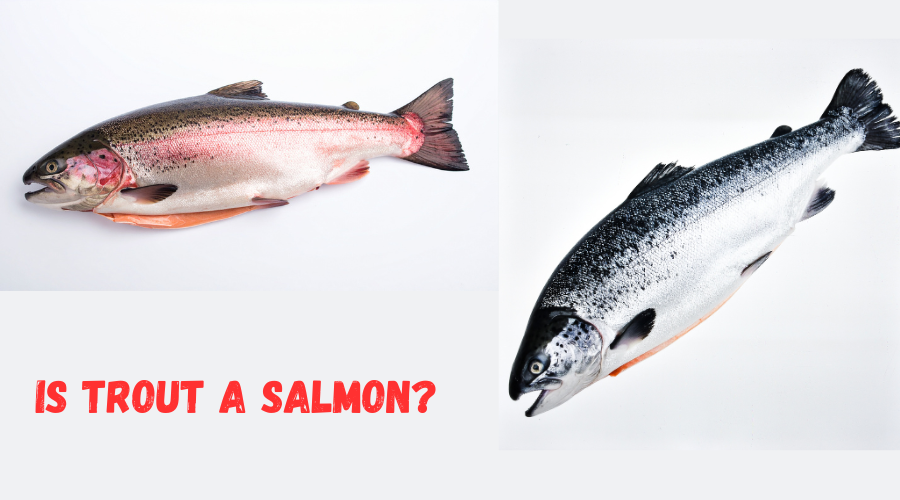
No, trout is not a salmon. They are different species, but both belong to the same fish family called Salmonidae. Trout and salmon are two of the most popular fish in the world, often found on restaurant menus, grocery stores, and health-conscious diets. Because they look similar and share many characteristics, people often wonder whether they are the same fish or completely different species. The truth is, while trout and salmon are closely related, they are not the same fish. They belong to the same family but differ in habitat, taste, appearance, nutrition, and biological behavior. In this detailed guide, we’ll break down everything you need to know about trout vs salmon, including their differences, similarities, taste comparison, health benefits, and species classification. Category Trout Salmon Are They the Same? No, trout is a different fish but closely related No, salmon is a separate species but from the same family Family Salmonidae Salmonidae Common Types Rainbow Trout, Brown Trout, Brook Trout Atlantic Salmon, Sockeye Salmon, Coho Salmon, Chinook Salmon Habitat Freshwater (rivers, lakes), some migrate to sea Mostly born in freshwater, live in ocean (anadromous) Appearance Smaller, lighter color with spots Larger, sleeker body, pink to deep red flesh Average Size 1–5 kg (2–11 lbs) 3–15 kg (6–33 lbs) or more Taste Mild, delicate, slightly nutty Rich, bold, more “fishy” flavor Texture Soft and tender Firm and oily Nutrition (per 100g) ~148 calories, high protein, moderate omega-3 ~208 calories, very high omega-3, high protein Health Benefits Good for heart, brain, low-calorie diets Excellent for heart health, skin, brain due to high omega-3 Color of Flesh White to light pink Pink to deep orange/red Price Generally more affordable Usually more expensive What Is Trout? Trout is a freshwater fish that belongs to the salmonid family. It is commonly found in cold rivers, lakes, and streams. Key characteristics of trout: * Lives mostly in freshwater environments * Has a lighter body color with spotted patterns * Smaller in size compared to salmon * Mild flavor with a slightly earthy taste Some trout species, like rainbow trout, are farmed globally and widely consumed due to their affordability and nutritional value. What Is Salmon? Salmon is also a member of the salmonid family but is known for its migratory behavior, meaning it moves between freshwater and saltwater. Key characteristics of salmon: * Lives in both freshwater and saltwater * Has a richer, deeper pink or orange flesh * Larger in size than trout * Stronger, richer flavor Salmon is highly valued for its omega-3 fatty acids and is considered one of the healthiest fish in the world. Are Trout and Salmon Related? Yes, trout and salmon are closely related. Both belong to the Salmonidae family, which also includes char and grayling species. However, they are different genera:  Trout mostly belong to the Oncorhynchus and Salmo groups Salmon belong primarily to Oncorhynchus and Salmo as well, but with distinct species behavior This means they are cousins in the fish family, not the same species. Key Differences Between Trout and Salmon Although they share similarities, there are several important differences: Feature Trout Salmon Habitat Mostly freshwater Freshwater + saltwater Size Smaller Larger Color Lighter, spotted Deep pink or orange Flavor Mild and delicate Rich and fatty Fat content Lower Higher Price Usually cheaper More expensive These differences make each fish suitable for different cooking styles and dietary needs. Do Trout and Salmon Taste the Same? No, they do not taste the same.  Trout taste: Mild, slightly nutty, and delicate  Salmon taste: Rich, buttery, and more intense Trout is often preferred by people who like a light fish flavor, while salmon is chosen by those who enjoy a stronger, oily taste. Simply put:  Trout = subtle flavor Salmon = bold flavor Nutritional Comparison: Trout vs Salmon Both fish are highly nutritious, but their nutritional profiles differ slightly. Nutrient Trout Salmon Protein High Very high Omega-3 fatty acids Moderate Very high Calories Lower Higher Fat content Low to moderate High (healthy fats) Vitamins B12, D B12, D, A, and more omega-3 Key takeaway: Salmon is richer in healthy fats Trout is leaner and lower in calories Both are excellent choices for a balanced diet. Health Benefits of Trout and Salmon Both fish offer powerful health benefits: 1. Heart Health The omega-3 fatty acids help reduce cholesterol and improve heart function. 2. Brain Function Regular consumption supports brain health and cognitive performance. 3. Muscle Growth High-quality protein helps build and repair muscles. 4. Weight Management Trout, being lower in calories, is especially good for weight control. 5. Anti-Inflammatory Properties Both fish help reduce inflammation in the body. Which Is Healthier: Trout or Salmon? Both are healthy, but in different ways: Salmon is healthier for omega-3 intake and heart health Trout is healthier for low-calorie and lean protein diets  The “better” choice depends on your dietary goals. Types of Trout and Salmon Both trout and salmon belong to the Salmonidae family, but they are classified differently based on species and behavior. Common Trout Types: Rainbow trout Brown trout Brook trout Common Salmon Types: Atlantic salmon Chinook salmon Sockeye salmon Coho salmon These species differ in size, color, and migration patterns. Do Trout Turn Into Salmon? No, trout do not turn into salmon. This is a common misconception. However, some species share similar life cycles and environments, which causes confusion. Both are genetically distinct species that follow their own biological development. Appearance Differences Even though they look similar, there are noticeable differences:  Trout have smaller bodies and spotted skin  Salmon have larger bodies with smoother skin and stronger coloration  Trout fins are often more rounded  Salmon have a more streamlined shape for long migrations Price and Availability  Trout: More affordable and widely available in freshwater farming Salmon: More expensive due to demand, size, and nutritional value This is why salmon is often considered a premium fish in global markets. Cooking Differences Trout and salmon are both versatile, but they behave differently when cooked: Trout cooks faster due to lower fat content Salmon stays moist and rich even with high-heat cooking Trout is often grilled or pan-fried Salmon is used for baking, grilling, sushi, and smoking Which One Should You Choose? Choose based on your needs: For light meals and low calories → Trout For rich flavor and omega-3 boost → Salmon For budget-friendly option → Trout For premium nutrition → Salmon Both are excellent additions to a healthy diet. Conclusion Trout and salmon are closely related fish that share many similarities but differ in important ways such as habitat, taste, size, and nutrition. While salmon offers a richer flavor and higher omega-3 content, trout provides a lighter, leaner alternative that is more affordable and mild in taste. Understanding the differences between these two fish helps you make better dietary choices based on your health goals and flavor preferences. Whether you choose trout or salmon, both are nutritious, delicious, and valuable sources of high-quality protein and essential nutrients. FAQs What is the difference between trout and salmon? Trout is smaller, milder in taste, and mostly freshwater. Salmon is larger, richer in flavor, and migrates between freshwater and saltwater. Is trout better than salmon? It depends on your needs. Trout is lower in calories, while salmon is richer in omega-3 fatty acids. How does trout taste compared to salmon? Trout tastes lighter, softer, and less oily, while salmon has a richer, stronger, and fattier flavor. Is trout cheaper than salmon? Yes, trout is usually more affordable than salmon. Related Articles https://www.laridersa.com/blogs/trout-vs-salmon-unlock-the-secret-you-need-to-know https://www.laridersa.com/blogs/unraveling-the-nutritional-benefits-of-seafood https://www.laridersa.com/blogs/discovering-the-skin-benefits-of-a-fish-rich-diet

13-Apr-2026

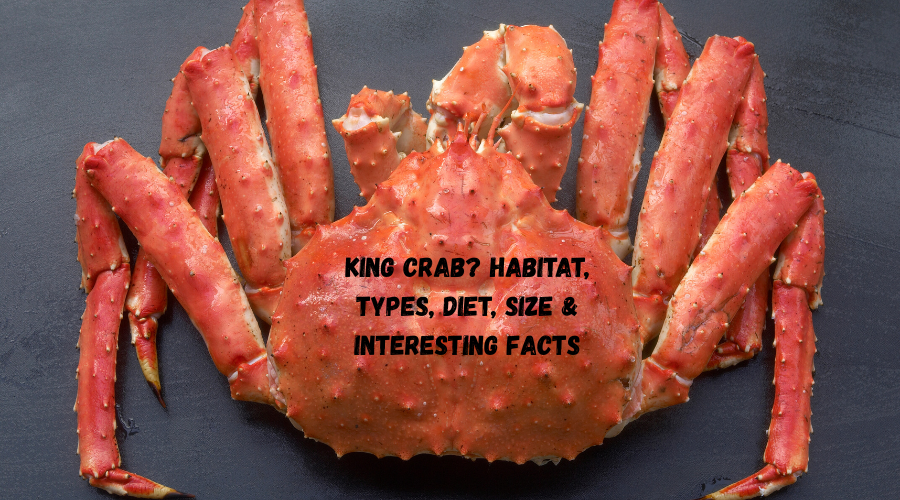
King crabs stand out as both fascinating and valuable ocean creatures. Their huge size, long legs, and tasty meat make them popular in seafood markets worldwide. However, there’s much more to them than just being a delicacy, they have unique biology, live in deep-sea habitats, and show remarkable survival skills. This guide covers what king crabs are, where they live, what they eat, the different types, their size, scientific facts, and how their meat compares to others. You’ll also find some lesser-known facts that make them special. What Are King Crabs? King crabs are big marine crustaceans with long legs and spiny shells. Even though they’re called crabs, scientists don’t always consider them “true crabs.” They get the name “king crab” because they are larger, have stronger claws, and are more dominant than other crab species. Category Details Definition Large marine crustaceans known for their long legs, spiny shells, and high-value meat. Habitat Cold ocean waters, mainly in the North Pacific (Alaska, Russia, Japan). Found on sandy or muddy sea floors. Main Types Red King Crab (largest & most valuable), Blue King Crab, Golden King Crab. Diet Omnivorous scavengers – eat algae, small fish, mollusks, worms, and detritus. Average Size Leg spans up to 5–6 feet (1.5–1.8 meters); weight can exceed 10 kg (22 lbs). Lifespan Typically, 20–30 years depending on species and environment. Unique Features Thick spiny shell, asymmetrical claws (one larger), strong legs for walking on seabed. Economic Value Highly prized seafood, especially Red King Crab; expensive due to harvesting difficulty. Interesting Fact Despite the name, king crabs are more closely related to hermit crabs than true crabs. Is a King crab a true crab? Biologically, king crabs aren’t true crabs. They actually evolved from hermit crab ancestors and developed a crab-like shape over time. This change happened through a process called carcinization, where different species end up looking like crabs even if they aren’t closely related. King crabs are known for:  •Their large size and heavy body structure  • Strong, spiny exoskeleton • Long, thick walking legs • High commercial value in seafood industry Where Do King Crabs Live? King crabs are found in cold ocean waters, mainly in the Northern Hemisphere. They typically live in: • The Bering Sea • North Pacific Ocean • Waters near Alaska, Russia, and Japan King crabs like deep, cold, and nutrient-rich waters. These conditions help them survive and find food. They are often found:  On the ocean floor • Around rocky or muddy seabeds • In areas with temperatures just above freezing King crabs don’t live in shallow water. They do best in deep-sea areas where there are fewer predators. Ocean Depth and Distribution of King Crabs King crabs live at varying depths depending on species, but most are found between: • 90 meters to over 300 meters deep • Some species can go even deeper during migration or feeding They are highly adaptive to pressure and cold temperatures, They can handle high pressure and cold temperatures, which makes them well-suited for life in extreme underwater environments.  • Russian Far East seas •  Parts of the Arctic Ocean What Do King Crabs Eat? King crabs are opportunistic feeders, meaning they eat whatever is available in their environment. Their diet includes:  • Small fish and fish parts  • Mollusks like clams and snails  • Worms and marine invertebrates  • Dead organic matter (scavenging behavior) King crabs help keep the ocean healthy by eating dead material and recycling nutrients from the sea floor. King crabs use their strong claws to break shells and access food hidden inside. Types of King Crabs There are several important species of king crabs, each with unique characteristics: Type of King Crab Key Characteristics Red King Crab - Largest and most valuable species - Found mainly in Alaska - Known for its sweet, rich meat Golden King Crab - Smaller than red king crab - Found in deeper waters - Slightly milder taste Blue King Crab - Rarest commercially harvested species - Found in limited regions - Known for delicate flavor Southern King Crab - Found in Southern Hemisphere waters - Less common in global markets How Big Do King Crabs Get? King crabs are among the largest crustaceans in the ocean. They can grow up to:  • 1.5 feet (body width)  • Up to 6–10 feet leg span  • Weight: can exceed 10 kg (22 lbs) in large specimens The red king crab is usually the biggest species and is often linked with luxury seafood dishes. Their size helps them: • Defend against predators • Travel long distances on the seabed • Compete for food efficiently What Do King Crabs Look Like? King crabs have a distinctive and intimidating appearance. Key features include: • Hard, spiny exoskeleton • Long, thick walking legs • One larger claw used for defense and feeding • Asymmetrical body structure Their bodies are built to survive tough conditions, and their hard shells protect them from predators. Underwater, king crabs often blend in with rocks or mud, which makes them harder to see. Are King Crabs True Crabs? (Scientific Fact) Scientifically, king crabs are considered “false crabs” in evolutionary terms, although they are still classified under the broader crab group. They belong to the order Decapoda, which includes:  •Crabs  • Lobsters • Shrimp King crabs evolved from hermit crab ancestors, meaning they are more closely related to hermit crabs than true crabs. This shows how well king crabs have adapted to their environment over time. Meat Quality and Comparison with Other Crabs King crab meat is highly prized for its:  • Sweet flavor •  Tender texture  •Large chunks of edible meat Which crab has the most meat? King crabs are among the top contenders for the highest meat yield per leg, making them extremely valuable in the seafood industry. Their legs are rich in thick muscle, which is why they are preferred in gourmet dishes worldwide. Why King Crabs Are So Valuable King crabs are expensive because:  They are difficult to catch in deep waters  Fishing seasons are limited  They require harsh working conditions to harvest  Demand is high in global seafood markets Their combination of rarity, size, and taste makes them a premium seafood product. Conclusion King crabs are remarkable deep-sea creatures known for their massive size, unique biology, and high-value meat. Found in cold northern oceans, they play an important role in marine ecosystems and are among the most sought-after seafood delicacies worldwide.  Although they are not true crabs in a strict scientific sense, their appearance and behavior closely resemble those of crabs. From their diet of small marine organisms to their impressive leg span and deep-ocean habitat, king crabs stand out as fascinating ocean species. Understanding their types, lifestyles, and distribution helps us appreciate these incredible marine animals more clearly. FAQs  Is king crab bigger than snow crab? Yes, king crabs are significantly larger than snow crabs and have thicker, meatier legs.  What is the rarest crab in the world? Some of the rarest crabs include: * Blue king crab * Certain deep-sea crab species found in limited regions How many species of crabs are there in the world? There are approximately 6,000+ crab species worldwide, found in oceans, freshwater, and even land environments. Are king crabs true crabs? No, they are not true crabs biologically, but they look similar due to evolutionary adaptation. Which crab has more meat overall? King crabs generally provide the highest meat yield per leg compared to most other crab species. Related Articles https://www.laridersa.com/blogs/types-of-king-crab-around-the-world

30-Jan-2026

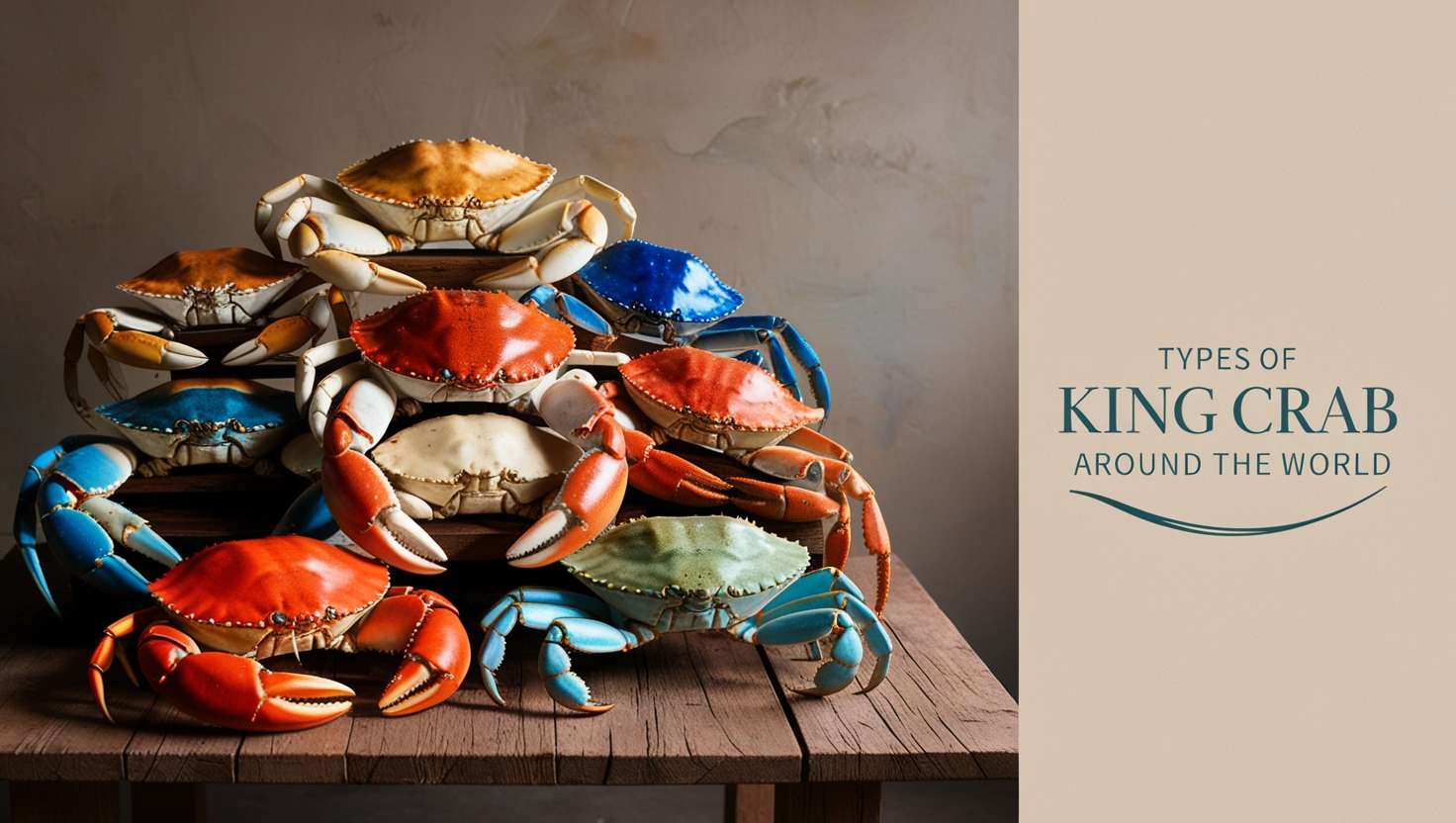
The king crabs are regarded as one of the most valuable seafoods in the world. These are huge, fleshy crabs that inhabit cold ocean waters and are adored by seafood lovers worldwide. A large number of individuals are unaware that there are various species of king crabs distributed worldwide. Each type has its own special features and distinct tastes. What makes King Crabs so Special? King crabs do not carry the features of a normal crab. Their hind legs are longer and bigger as well. They have very sweet and tender meat, and hence they are a common thing in restaurants. They live deep in cold water and can grow to a considerable size. Sometimes they weigh up to 20 pounds or more. King crab was named after its size and appearance. They are crown-shaped with long muscles and long legs. The majority of king crabs possess a spiny shell that protects them from other sea creatures. Red King Crab Red king crab is the most well-known form of crab. It is usually referred to as the king of crabs due to its size and taste. The crabs are found in the cold waters surrounding Alaska and Russia. The red king crabs can be giant. The largest ones can boast of more than 5 feet across their legs. They are named after the reddish-brown color. Red king crab meat is sweet and has a firm texture. They like deep and cold water as well as rocky sea beds. The behavior of these crabs is to adapt based on the seasons and the amount of movement they exhibit. Reasons Why They Are Popular Red king crab is found in luxurious restaurants. The meat is loose in the shell and has a rich, sweet flavor. Many people think it's the best meal, king crab. Blue King Crab There are blue king crabs, which are less abundant than red king crabs but equally delicious. They inhabit the same waters as red king crabs, but they are more difficult to get. It is rather easy to identify these thanks to the fact that they are a blue-gray color. Blue king crabs are typically smaller than red king crabs, although their meat is still considered tasty. The flavor is also slightly different. Others express that blue king crab meat is even sweeter than the red king crab meat. Special Features Red king crab shells are more complex than the blue king crab shells. This makes them less hard to open and eat. They possess their distinct taste, which many seafood enthusiasts find delightful. Golden King Crab There is a lot of difference between golden king crabs, red king crabs, and blue king crabs. They are smaller in size and of golden-brown color. The crabs can be found in deeper seas compared to other crab species within the king crab family. Golden king crab meat is white and slightly sweet. They're not as big as other king crabs, but they're a lot bigger than a regular crab. Red and blue king crabs can be pretty expensive, and the golden king crabs tend to be cheaper. Where can they be found? There are golden king crabs that occur along the coast of the Pacific, from Alaska to California. They are found preferring deeper waters and rocky grounds. These crabs are found all year round, unlike other types of crabs that are seasonal. Brown King Crab Other types of king crabs prevail over brown king crabs but are nevertheless significant. They are brown and live in the North Pacific. These are medium-sized crabs as compared to other king crabs. The brown king crab meat is of good quality and is sweet. They are common in restaurants and popular in some regions of the world. Norwegian King Crab These king crabs are red king crabs, which originate in Norwegian waters. Many years ago, they were brought there by the Pacific Ocean, and presently they live in the cold Arctic waters. It is a replica of the red king crabs found in Alaska. They are of the same taste and size. The king crab species found in Norway is widespread in Europe and is regarded as a luxury food. How They Arrived There In the 1960s, red king crabs were introduced to Norway by scientists. The crabs grow very well in their new home, and they begin to multiply. The population of Norwegian king crabs in the Arctic waters is now numerous. King Crab Cooking and Eating Cooking of king crabs is normally done through steaming or boiling. The most popular one is to boil them in salt water. King crab legs are often enjoyed with melted butter and a squeeze of lemon. The meat is mainly found in the legs and claws. It is white and flaky when cooked well. King crab meat can be served alone with warm or cold dishes, and it is also used to complement various dishes. The Common Methods of Service King crab is typically served with just butter and lemon. Other restaurants prepare it using garlic butter or special sauces. The meat can also be added to salads, soups, and pasta. The Reason why King Crabs are Expensive There are several reasons why King crabs are more expensive than other seafood. To start with, they are difficult to capture since they exist in cold and deep waters. Special equipment and crews are necessary to retrieve the boats that catch them. Second, king crabs do not breed fast. They grow for years before they are big enough to fish. This implies the fact that they are not inexhaustible in number. Third, the demand for king crabs is high. Most people desire to eat them, yet there are not enough of them. This results in an increase in the price. Managing Populations of King Crabs Individuals who catch the king crabs have stringent regulations to ensure that they will never be short of these crabs in the ocean. They are restricted in terms of the times of year they can take crabs and the size limits. Crabs of a minimum size can only be caught by males. Small crabs and female crabs have to be released into the water. Conclusion King crabs are fantastic sea animals offering some of the finest seafood in the world. Whether it is large red king crabs of Alaska, sweet blue king crabs, or the small Golden king crabs, each type has its attractions. King crabs are another option that can be too costly, but they are worth the taste if you have the opportunity. Famous for their sweet and tender meat, and in their size, they form quite a delicacy. FAQs Q1: What is a king crab? A: King crab is a large, edible crustacean found in cold ocean waters. They are prized for their sweet, tender meat and are commonly used in seafood dishes worldwide. Q2: How many types of king crab are there? A: There are several types of king crab, but the most common are: * Red King Crab – Found in the Bering Sea and Alaska, famous for its large size. * Blue King Crab – Found in Alaska, smaller than the red king crab, with a sweet flavor. * Golden King Crab – Found in the Aleutian Islands, known for its delicate meat. * Spiny King Crab – Found in the Russian Far East, it has spiny legs and firm meat. Q3: Where are king crabs commonly found? A: King crabs are mostly found in the cold waters of the North Pacific Ocean, including Alaska, Russia, Japan, and Norway. Some species also appear in the Southern Ocean near Antarctica. Q4: Which king crab is the largest? A: The Red King Crab is the largest, with legs that can span over 5 feet and weigh up to 10–12 kilograms (22–26 lbs). Q5: Are king crabs farmed or wild-caught? A: Most king crabs are wild-caught in the ocean. Farming king crab is difficult due to their size and slow growth.

03-Jul-2025

Do you often feel tired or get sick? Do you feel dizzy or get muscular injuries so quickly? If so, these are some signs that your body may have deficiencies that you should not ignore. Any kind of ignorance in this matter will lead to severe consequences. Your body is asking for essential nutrients to function correctly, but you might be ignoring its needs. Here is a solution to recover from most health problems. You just need to consume seafood, and horse mackerel is a good choice. Once you start consuming it regularly, you will notice improvements in your health, as outlined below.  Reduces Inflammation and Balances Heart Health Consuming horse mackerel in various dishes can provide heart health benefits. The first and most important is the reduction of vascular inflammation. People with heart problems experience lots of issues like that, which makes their lives miserable. Consuming this fish can help alleviate these problems, leading to a healthier and lighter life. When the heart feels good, everything feels good. Foods that improve heart health lead to a better life. Horse mackerel is one of the seafoods that can affect the heart by reducing inflammation. Once this inflammation is reduced, the rest of the heart problems are also positively affected.   Helps in Strengthening Cognitive Health Cognitive health is as important as heart health. People with a sharp mind tend to deal with daily life challenges more effectively because of it. If you want to improve your cognitive health, you need to add horse mackerel to your diet. Regularly consuming it, like once or twice a week, will undoubtedly affect mental strength. The decision-making skills may be improved by consuming that. Solving complex problems will also require assistance from the nutrients this fish provides. People who regularly consume it may show signs of improved cognitive strength compared to those who don’t.  Keeps Hair and Skin Healthy Almost every fish provides hair and skin benefits because of the amount of zinc present in it. Likewise, horse mackerel is a good source of zinc and protein, which can contribute to better skin and hair health. People with aging signs should consider consuming fish, especially this type, to improve the appearance of their skin. The skin cells receive aid from horse mackerel to enhance their metabolism and better combat various skin problems.  Wrinkles, eczema, psoriasis, and many problems like them stay at bay when a person consumes fish regularly, unless there is any other reason. Usually, horse mackerel provides all the essential nutrients needed to keep the nails, skin, and hair shiny. People with weak and brittle hair should consider consuming this fish to maintain a healthy growth level. Lowers Bad Cholesterol Level Bad cholesterol can cause lots of trouble for heart patients. People with heart problems like hypertension have to deal with high cholesterol often. They need to be strict in their diet to keep this bad cholesterol below the risk line. They can achieve this by consuming horse mackerel in a balanced manner. They simply need to cook it at a low temperature with a small amount of cooking oil to preserve the health benefits. In this way, neither the heart will get any trouble, nor will there be any spike in blood pressure and cholesterol levels. Improves Immunity Level Stronger immunity leads to better health. When people maintain their immunity, they have a lower risk of contracting various types of general diseases. If you also want to strengthen your immune system, start consuming horse mackerel in a balanced way. Then you feel stronger than before, especially in the cold seasons. Our body needs a strong immune system to fight diseases like fever, flu, and many other common illnesses. Unless we take the proper diet, there will be weakness in our body that could make us vulnerable to most diseases. Therefore, reduce the vulnerability by consuming horse mackerel in the right quantities.  Vitamin A, B12, D, E, and K Lots of vitamins are present in horse mackerel, which can improve your overall health. You just need to consume it regularly to keep the par level of vitamins in your body. Vitamins A, B12, D, E, and K are all essential for our bodies to function optimally. From head to toe, all these vitamins contribute to stronger physical and cognitive health. Eyesight, bones, thyroid, immune system, and many essential areas of the body get support from horse mackerel.  Antioxidants Against Various Diseases Since horse mackerel contains good levels of selenium, you can consume it to improve your body’s antioxidant levels. It directly supports the health of cells, which means your entire body needs it. Horse mackerel helps prevent chronic illness by supporting cell health. Many problems within our bodies occur due to the presence of free radicals. When you consume horse mackerel, your body gets antioxidant support against those free radicals. Improves Muscles and Nerve Functions Horse mackerel contains magnesium, which aids in muscular and nerve health. Your nervous system requires a balanced diet to function optimally. They coordinate better when they get the right amount of magnesium. Consuming this fish will surely enhance the overall health of your muscles, particularly for intense workouts and regular exercise. There will be less risk of injury during strenuous activities once your body starts getting enough magnesium from horse mackerel. Fights Iron Deficiency and Anemia  People who don’t consume enough red meat are at risk of anemia. It is iron deficiency, which can cause your body to collapse if you don’t provide it with a sufficient amount of iron. To stay away from this disease, you can just add horse mackerel to your diet. Consuming this fish can help alleviate these problems, allowing your body to recover from any injury more easily. There will be no shortage of red blood cell production in your body after you start consuming iron-rich foods, and horse mackerel is one good choice. Conclusion No food is irrelevant because each one has some essential nutrients for our bodies. When we consume horse mackerel, our body gets the most crucial nutrients from head to toe. Our brain, heart, muscles, nerves, and even our skin receive full support from this fish, promoting a healthy life. Consuming horse mackerel regularly not only keeps your body healthy, but you can also try it in various ways through many recipes.